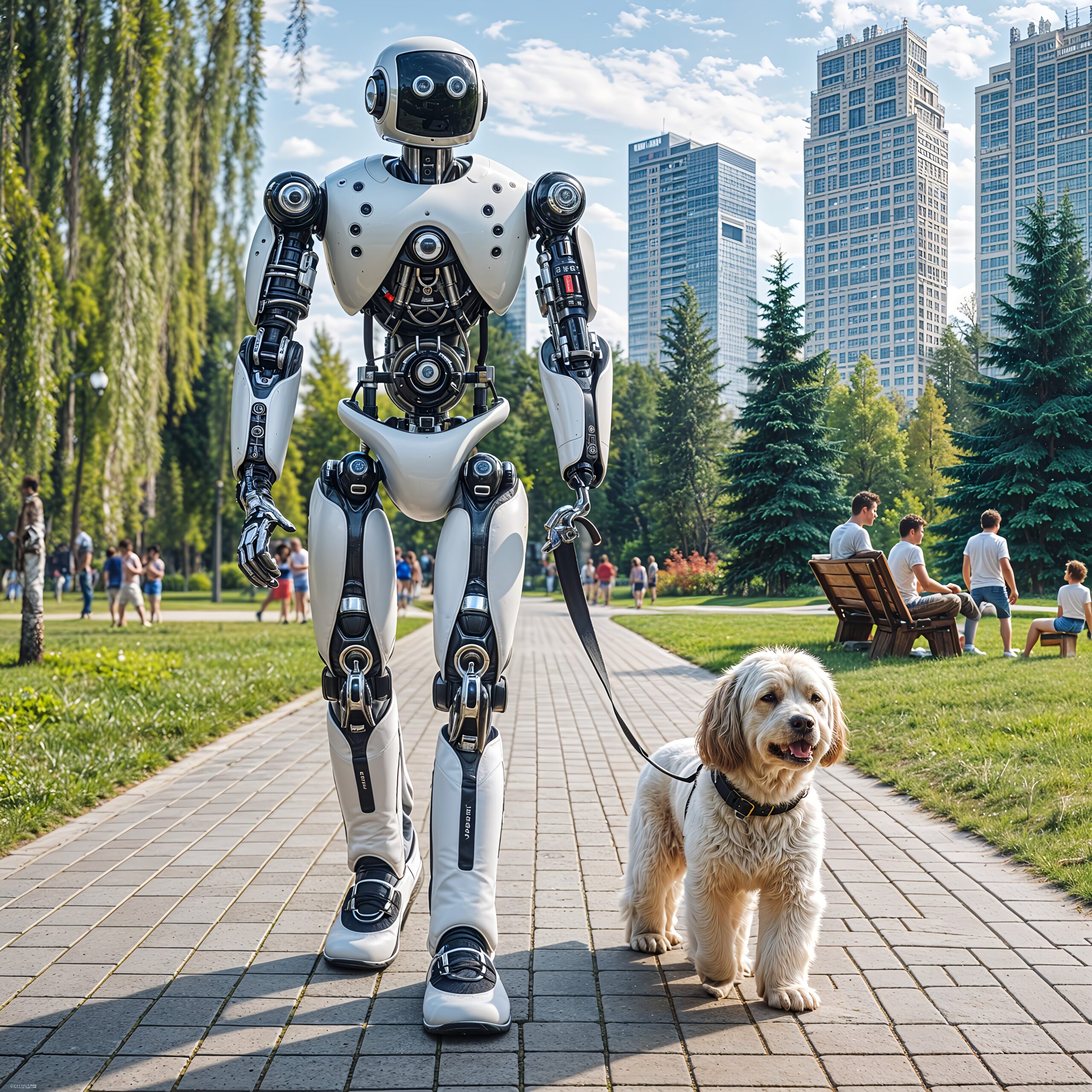

Why AI Can’t Replace Behavior Science
Artificial intelligence is becoming more visible in the dog‑training world, and many owners are curious about how far it can go. AI can explain concepts, organize information, and help people understand routines, but it cannot replace behavior science. The foundation of dog training is built on learning theory, emotional safety, and real‑time observation, and those elements require human interpretation. This article explains why AI in dog training is a tool, not a substitute for the science that guides humane and effective behavior work.
Behavior Science Depends on Real‑Time Observation
Every dog communicates through subtle shifts in posture, breathing, tension, and movement. A trainer or behavior professional reads these signals moment by moment, adjusting criteria and reinforcement based on what the dog is showing. AI cannot see the dog, feel the environment, or sense the emotional state behind the behavior. Without real‑time observation, the science loses its accuracy. Behavior work is not just about steps; it is about timing, thresholds, and the dog’s internal experience.
Learning Theory Requires Context AI Cannot Access
Behavior science is rooted in the ABCs: antecedents, behavior, and consequences. These elements change constantly depending on the environment, the handler, the dog’s history, and the emotional state driving the behavior. AI can explain the ABC model, but it cannot identify the actual antecedent in a real situation. It cannot determine whether a dog is reacting from fear, frustration, excitement, or conflict. Without context, the science becomes incomplete, and incomplete science can lead to incorrect decisions.
Emotional Safety Cannot Be Automated
A core part of behavior science is protecting the dog’s emotional well‑being. Trainers adjust their approach based on stress signals, arousal levels, and the dog’s ability to stay under threshold. AI cannot detect stress panting, lip licking, weight shifts, or the early signs of shutdown. Emotional safety requires a human who can read the dog’s body language and respond with empathy, timing, and appropriate reinforcement. No algorithm can replace that level of sensitivity.
Behavior Change Is a Relationship, Not a Script
Training is not just a sequence of steps. It is a relationship between the dog and the handler. Trust, predictability, and clear communication shape how a dog learns. AI can provide instructions, but it cannot build rapport, adjust tone, or create a safe learning environment. Dogs respond to human presence, energy, and consistency. Behavior science depends on that relationship, and relationships cannot be automated.
AI Supports Behavior Science, It Doesn’t Replace It
AI is most powerful when it is used as a support tool. It can help owners understand concepts, learn routines, and stay consistent. It can help trainers organize case notes, build handouts, and standardize education. It can help shelters create clear instructions for volunteers. But AI does not replace the science behind behavior change. It does not replace observation, timing, or emotional intelligence. It does not replace the human responsibility to read the dog and make humane decisions.
The Future of Dog Training Still Belongs to Behavior Science
As AI becomes more common, the role of behavior science becomes even more important. The science keeps training grounded, ethical, and effective. It protects dogs from outdated methods and from advice that sounds confident but lacks context. AI can help people learn faster, but behavior science ensures they learn correctly. The future of dog training will include technology, but the foundation will always be built on real dogs, real emotions, and real science.