Top Questions Dog Owners Ask a Dog Trainer

Top Questions Dog Owners Ask a Dog Trainer Introduction Over the past 17+ years at Camp Ruff Ruff, I’ve answered thousands of training and behavior questions from dog owners. Many of the same concerns come up again and again. This article covers the top questions dog owners ask a dog trainer, with short, owner‑friendly answers you can expand on through internal links.   1. “Why is my dog reactive on walks?” Reactivity is an emotional […]

Top Questions Dog Owners Ask a Dog Trainer Read More »
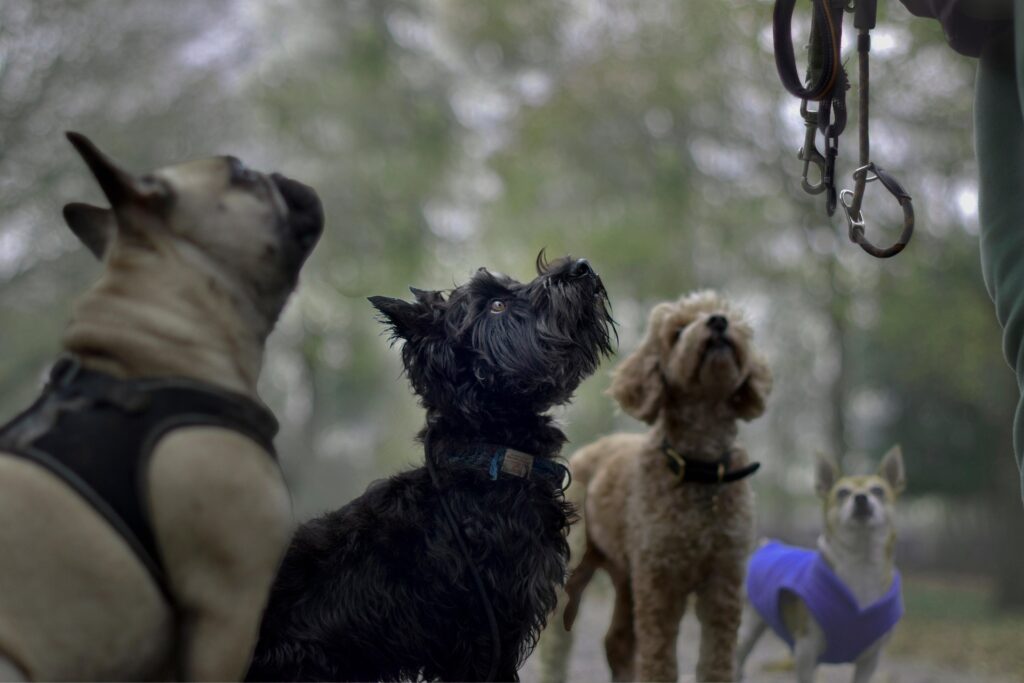
Three dogs looking at their handler during a force‑free training session at Camp Ruff Ruff.

Why AI Can’t Replace Behavior Science

Why AI Can’t Replace Behavior Science Artificial intelligence is becoming more visible in the dog‑training world, and many owners are curious about how far it can go. AI can explain concepts, organize information, and help people understand routines, but it cannot replace behavior science. The foundation of dog training is built on learning theory, emotional safety, and real‑time observation, and those elements require human interpretation. This article explains why AI in dog training is a

Why AI Can’t Replace Behavior Science Read More »

Robot walking a dog, representing how AI influences modern dog‑training and behavior education.

Why Early Puppy Imprinting Shapes Adult Behavior

  The Critical Imprint Stage in Puppies Why the First 16–18 Weeks Shape the Adult Dog Understanding the Imprint Stage The first 16–18 weeks of a puppy’s life form the foundation for who they become as adults. During this period, the brain is developing at a speed that never happens again. Confidence, emotional stability, resilience, social skills, startle recovery, stress tolerance, comfort with humans and dogs, and overall learning ability are all shaped during this

Why Early Puppy Imprinting Shapes Adult Behavior Read More »

A young puppy calmly chewing on a toy during early development, representing healthy enrichment and the critical imprint stage.

AI in Dog Training: What It Means for the Future

AI in Dog Training: What It Means for the Future A Living Guide by Camp Ruff Ruff Education Center Artificial intelligence is showing up everywhere in the dog‑training world. Trainers are using it for course creation, scheduling, behavior education, client communication, and shelter support. With all of this new technology comes excitement, confusion, and fear. Many trainers worry that AI is inaccurate, unsafe, or that it will replace human professionals. Most of these fears come

AI in Dog Training: What It Means for the Future Read More »

Robot walking a dog, symbolizing how AI is influencing the future of dog training.

Why Do Dogs Roll on Their Back on Grass?

Why Do Dogs Roll on Their Back on Grass?   Have you ever watched your dog happily rolling on their back on a patch of grass? While it might look playful or amusing, this behavior serves several purposes. Understanding why dogs engage in this activity can provide insights into their instincts and well-being. 1. Scent Marking: Instinctual Behavior Dogs often roll on their backs in the grass to engage in scent marking. With scent glands

Why Do Dogs Roll on Their Back on Grass? Read More »

Why Do Dogs Roll on Their Back on Grass

Understanding Ritual Aggression Behavior in Dogs

  Understanding Ritual Aggression Behavior in Dogs: What Every Dog Owner Should Know   Ritual aggression behavior in dogs is a fascinating yet often misunderstood aspect of canine communication. Understanding this behavior can help dog owners manage their pets more effectively, ensuring a safer and more harmonious environment for both dogs and humans. What is Ritual Aggression in Dogs? Ritual aggression in dogs refers to a series of behaviors that appear aggressive but are primarily

Understanding Ritual Aggression Behavior in Dogs Read More »

Ritual aggression behavior in dog

Can Dog Training Help with Aggression? Discover the Benefits

Can Dog Training Help with Aggression? Discover the Benefits Aggression in dogs can be a serious concern for many pet owners. Understanding how dog training can help with aggression is crucial for creating a harmonious household. Let’s explore the benefits of dog training in addressing aggressive behaviors and improving your furry friend’s overall well-being. Understanding Dog Aggression Dog aggression can manifest in various ways, including growling, barking, snapping, or biting. It can stem from fear,

Can Dog Training Help with Aggression? Discover the Benefits Read More »

aggression in dogs

Raising a Well-Rounded Canine Companion: A Guide to Dog Upbringing

 Raising a Well-Rounded Canine Companion: A Guide to Dog Upbringing    Bringing a new dog into your life is an exciting journey, but it also comes with great responsibility. Just like raising a child, raising a dog requires patience, consistency, and love. A well-rounded dog is not only well-behaved but also emotionally balanced, socially adept, and physically healthy. In this article, we’ll explore key strategies for nurturing a well-rounded canine companion. 1. Early Socialization: Socialization

Raising a Well-Rounded Canine Companion: A Guide to Dog Upbringing Read More »

Raising a well rounded dog, proper socialization

What are common household plants that are dangerous to dogs?

   What are common household plants that are dangerous to dogs?    Several common household plants can be toxic to dogs if ingested. Here are some examples: Sago Palm: All parts of the sago palm are toxic to dogs and can cause symptoms ranging from vomiting and diarrhea to liver failure and even death. Aloe Vera: While aloe vera is known for its medicinal properties for humans, it can cause vomiting, diarrhea, and lethargy in

What are common household plants that are dangerous to dogs? Read More »

poisonous plants
Scroll to Top